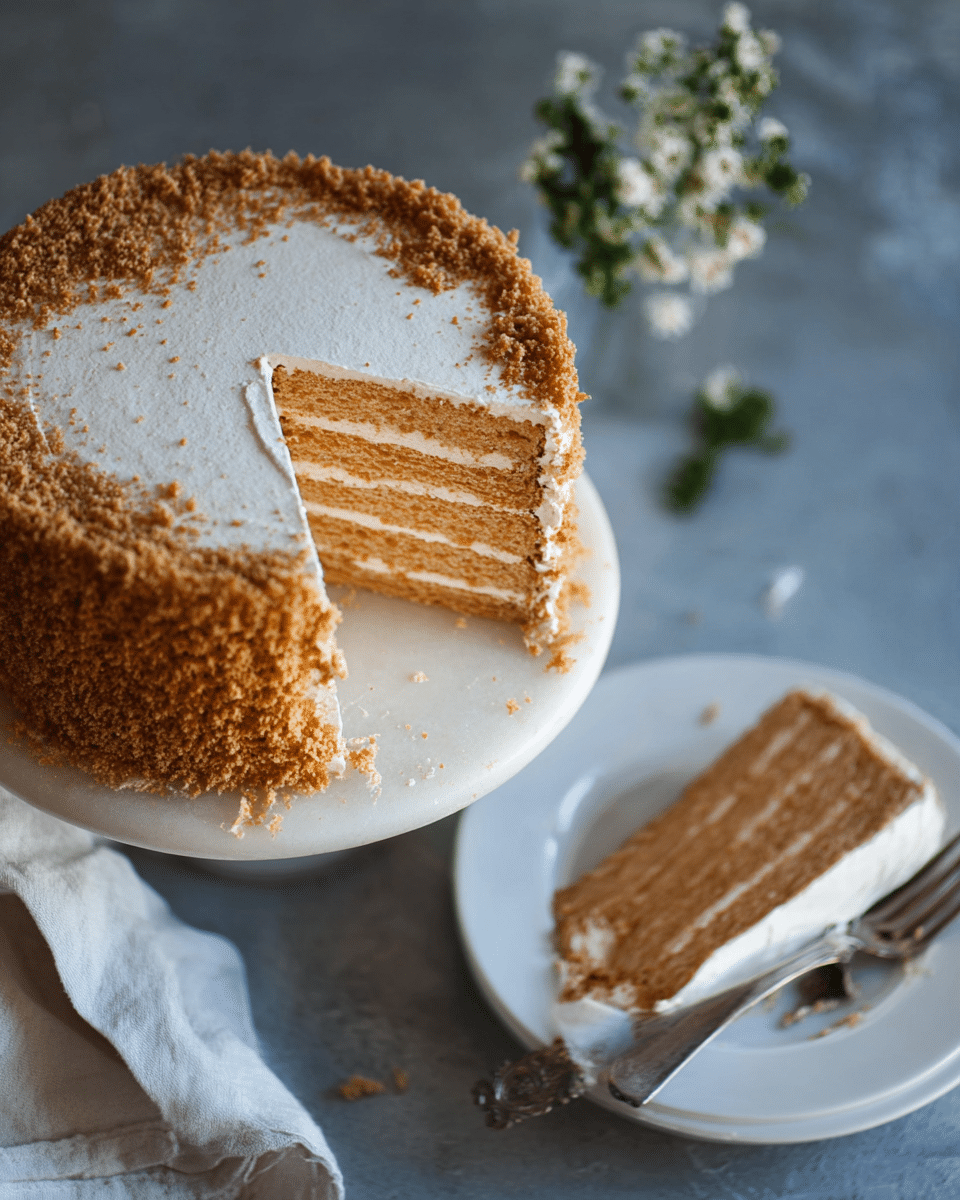
Mastering Honey Cake: Unveiling the Secrets to Unforgettable Flavor and Texture
The allure of a beautifully baked
honey cake is undeniable – a golden, fragrant testament to one of nature's most exquisite sweeteners. Yet, for many home bakers, the dream of a truly honey-forward cake remains elusive. Often, what’s promised as a rich honey cake ends up being merely sweet, with the nuanced character of honey lost amidst other ingredients or a dense, dry crumb. This article delves into the art of mastering honey cake, exploring how to achieve unparalleled moisture, a genuine taste of honey, and the captivating depth that only a touch of 'burnt' honey can provide. Get ready to transform your baking and experience honey cake as it was truly meant to be.
The Quest for True Honey Flavor: Beyond Just Sweetness
Imagine a cake where every bite sings with the distinct, complex notes of honey – not just a vague sweetness, but the floral, earthy, or even caramel undertones of the specific varietal you chose. This is the ultimate goal for any true honey cake enthusiast, and it's a journey often fraught with challenges. Many traditional recipes, even those labeled "honey cake," rely heavily on granulated sugar, effectively masking the very flavor they claim to celebrate. The result is typically a generic sweet cake, leaving bakers wondering, "What's the point if I can't even taste the honey?"
The core difficulty lies in the unique properties of honey itself. Unlike sugar, which plays a crucial role in creating air pockets when creamed with butter, honey is a liquid sweetener. Removing sugar from a recipe without careful adaptation often leads to a dense, heavy cake that struggles to rise. It's a delicate balance to strike – achieving lift and a tender crumb while ensuring honey remains the star.
The secret to a profoundly honey-infused cake often involves making honey the *only* sweetener. This revolutionary approach, while challenging, unlocks an unparalleled depth of flavor. To compensate for the structural role of sugar and to ensure supreme moisture, such cakes are frequently soaked with a generous amount of warm honey syrup after baking. This syrup not only floods the cake with extra honey flavor, making it irresistible, but also guarantees a beautifully moist, almost pudding-like crumb. It transforms the cake from a simple dessert into a truly indulgent experience, perfect for a cozy dinner or an elegant afternoon tea. For those ready to embark on this pure honey journey, explore more about achieving this specific technique and finally
Unlock Pure Honey Flavor: The Secret to a No-Sugar Honey Cake.
The Secret Ingredient: Unlocking Depth with Burnt Honey
While achieving pure honey flavor is one triumph, elevating it to an extraordinary level requires an unexpected technique: the subtle caramelization, or "burning," of a small portion of the honey. This isn't about charring honey to an unpleasant crisp, but rather cooking it gently until it develops a deep amber hue and a slightly bitter, intensely complex aroma. This seemingly counterintuitive step is the secret weapon behind some of the most revered Russian honey cake recipes, renowned for their fantastic, multi-layered taste.
When honey is carefully heated, its sugars caramelize, undergoing a Maillard reaction that creates new, intricate flavor compounds. This process introduces a tiny amount of bitterness – a sophisticated counterpoint to honey’s natural sweetness. Think of it like the way a perfectly roasted coffee bean develops a rich complexity that a lightly roasted one simply can’t match. This subtle bitterness acts as an amplifier, making the overall honey flavor in the cake more profound, more resonant, and far less one-dimensional. It transforms the sweet notes from merely pleasant to truly captivating.
Mastering this technique involves vigilance. Heat a small amount of honey in a saucepan over medium-low heat, stirring occasionally, until it darkens to a rich amber and emits a deeply fragrant, slightly toasted aroma. It should look like a dark caramel. Remove it from the heat immediately, as it can quickly go from perfectly caramelized to truly burnt. The resulting dark honey, once cooled and incorporated into the batter, infuses the cake with a sophisticated depth that makes it stand out from any other. It's a small step that yields a colossal difference in the final taste, turning a good honey cake into an unforgettable one.
Achieving Irresistible Moisture and Texture
Beyond flavor, the texture of a honey cake is paramount. Nobody wants a dry, crumbly slice. The ideal honey cake should be wonderfully moist, tender, and almost melt-in-your-mouth. Given that traditional honey-only cakes can be prone to density, achieving this perfect moisture requires a multi-pronged approach.
As mentioned earlier, soaking the baked cake with a rich honey syrup is a game-changer. This post-baking infusion allows the cake to absorb moisture slowly and thoroughly, transforming a potentially dry crumb into something luxuriously soft and saturated with flavor. The syrup essentially rehydrates the cake, filling its cells and ensuring every bite is succulent.
Another critical element in the texture equation, particularly in Russian variations, is the choice of frosting. A slightly tangy whipped cream frosting, often incorporating sour cream or cream cheese, provides a brilliant contrast. Unlike overly sweet buttercreams, this lighter, tangier topping prevents the cake from becoming cloyingly rich. The acidity cuts through the sweetness of the honey, balancing the flavors and adding a delightful freshness. Its airy texture also complements the denser cake layers, creating a harmonious bite.
Baking technique also plays a vital role. Honey cakes, especially those with high honey content, benefit from a "low and slow" baking approach. A moderate oven temperature for a longer duration allows the cake to bake through evenly, preventing the edges from drying out before the center is cooked. This method promotes a consistent, moist crumb throughout the entire loaf or layer.
A Journey Through Time: The Rich Heritage of Honey Cake
The story of
honey cake is not just one of ingredients and techniques; it's a testament to culinary evolution and the enduring power of family recipes. Many beloved honey cake variations, particularly those with roots in Eastern Europe, carry a rich history, adapting and traveling across generations and continents. Take, for instance, the fascinating journey of a Russian-German honey cake, a recipe passed down through grandmothers and friends, often evolving with each new pair of hands that prepared it.
These legacy recipes embody a unique blend of traditions, incorporating ingredients that might seem unusual at first glance but contribute profoundly to the final flavor profile. Who would think to add orange juice and coffee to a honey cake? Yet, in these time-honored adaptations, these "odd" ingredients work in harmony, adding layers of subtle acidity, bitterness, and aromatic depth that elevate the cake beyond mere sweetness. The orange juice brightens the overall flavor, while a touch of coffee enhances the cocoa notes of the burnt honey, creating a surprisingly sophisticated palate. Spices, too, like cinnamon, ginger, or cloves, are often woven into these recipes, adding warmth and complexity, making them particularly fitting for the holiday season.
The very act of making such a cake connects us to this rich heritage. Imagine a brave woman crossing the Atlantic, a creased and smudged recipe tucked into her bag, preserving a piece of her culture through the art of baking. When you taste a slice of this flavorful, robust honey cake, you are savoring not just a dessert, but a piece of history, a culinary tradition that has journeyed far and wide. It's an excellent companion to a cup of coffee, transforming a simple moment into a cherished experience. For a deeper dive into these unique cultural adaptations and their surprising ingredients, consider exploring
Russian German Honey Cake: Spice, Coffee, and a Legacy Recipe.
Practical Tips for Your Masterpiece Honey Cake
Creating your ultimate honey cake masterpiece doesn't require specialized skills or equipment, but a few practical tips can make all the difference:
*
Don't Skimp on Sweetener: Even if the amount of honey or sugar in a recipe seems high, trust the process. These amounts are carefully calibrated to ensure proper texture, moisture, and, crucially, to balance the intensity of other flavors like spices or burnt honey. The final cake often isn't overly sweet, especially when paired with a tangy frosting.
*
Low and Slow Baking: Embrace the aroma that fills your house! Baking honey cakes at a lower temperature for a longer duration promotes even cooking and prevents drying out, resulting in a perfectly moist crumb.
*
Embrace the "Two Loaf" Concept: Many legacy honey cake recipes yield two loaves. This is a brilliant tradition – one to keep and savor yourself, and one to share with friends, family, or neighbors. It’s a generous gesture that truly embodies the spirit of these heritage desserts.
*
Simple Elegance in Presentation: You don't need elaborate decorations. A simple dusting of powdered sugar before slicing or a sprinkle of sliced almonds on top before baking can elevate the appearance beautifully.
*
Perfect Pairings: Honey cake is incredibly versatile. While it shines as a dessert, it’s also fantastic for afternoon tea or, as some traditions suggest, even a delightful excuse for breakfast with a strong cup of coffee.
Conclusion
Mastering honey cake is a rewarding culinary adventure that transcends mere baking. It's about understanding the unique properties of honey, embracing techniques like subtle caramelization, and appreciating the rich tapestry of history woven into each recipe. By focusing on pure honey flavor, achieving perfect moisture through syrups and balanced frostings, and drawing inspiration from time-honored traditions, you can create a honey cake that is truly extraordinary. So, gather your ingredients, prepare to fill your home with an intoxicating aroma, and embark on your journey to bake a honey cake that delights the senses and tells a story with every unforgettable bite.